
Last Updated: November 15, 2026
Quick Summary
Small batch activewear is made in short production runs, often a few hundred units per style, which forces brands to test fabric performance and validate fit before committing to volume. That discipline delivers better fit testing, faster iteration, lower inventory risk and less dead stock than mass-market gear.
- A minimum order quantity is the smallest number of units a factory will produce in one run.
- Short runs let brands test stretch recovery, opacity, moisture management, abrasion resistance and seam durability before scaling.
- Small-batch pros include better fit testing and less overstock; cons include higher per-unit cost and occasional stockouts.
- Verify a small-batch claim by checking the size range, fabric specs and whether restocks come in small waves.
- Glow Together Boutique offers free shipping on every order.
Table of Contents
- What Small-Batch Production Means for Activewear
- Small-Batch Clothing Production Benefits That Show Up in the Fit
- Small-Batch Activewear vs. Mass-Produced Activewear
- Small-Batch Activewear Pricing and the Unit Economics Behind It
- When Small-Batch Production Stops Making Sense
- How to Choose Activewear Brands That Actually Produce in Small Batches
- Build Your Next Workout Wardrobe at Glow Together Boutique
- Frequently Asked Questions
What Small-Batch Production Means for Activewear
Small batch activewear is apparel made in short production runs, often a few hundred units per style, instead of the tens of thousands a mass-market label orders. That single difference reshapes everything downstream: fabric choices, fit testing, cash flow, and how quickly a brand can respond when a style sells out or flops.
This guide from Glow Together Boutique breaks down the benefits of small batch activewear brands, plus the trade-offs nobody puts on the hangtag.
Here's the core argument: small-batch production isn't automatically better gear. It's better accountability. A short run forces a brand to test fabric performance, validate fit across a real size range, and fix problems before committing to volume. That discipline is what you feel when a pair of leggings doesn't roll down mid-squat.
Minimum Order Quantities and How They Shape a Brand
A minimum order quantity (MOQ) is the smallest number of units a factory will produce in one run. MOQs determine whether a brand can afford to test a new design or must commit to thousands of units before a single customer sees it.
Low MOQs let a brand run a small production batch, gather customer feedback, and iterate. High MOQs push brands toward safe, generic designs that sell in bulk. When you compare small-batch activewear vs. mass-produced activewear, MOQ is usually the root cause behind every other difference.
Small-Batch Clothing Production Benefits That Show Up in the Fit
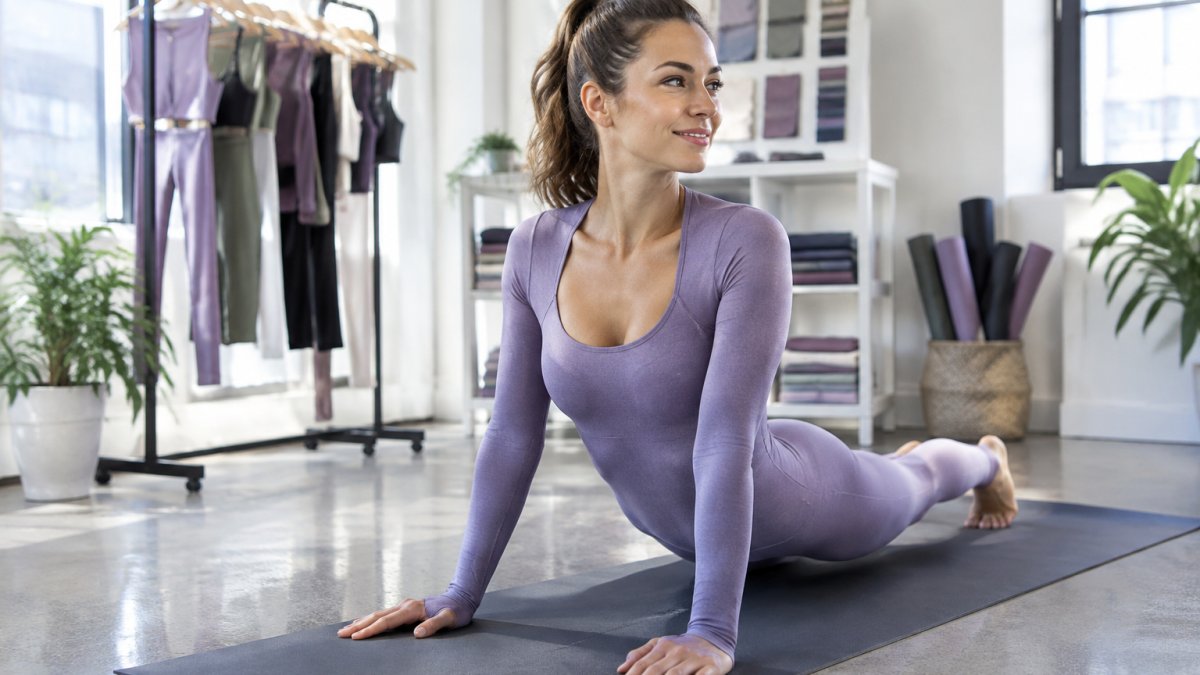
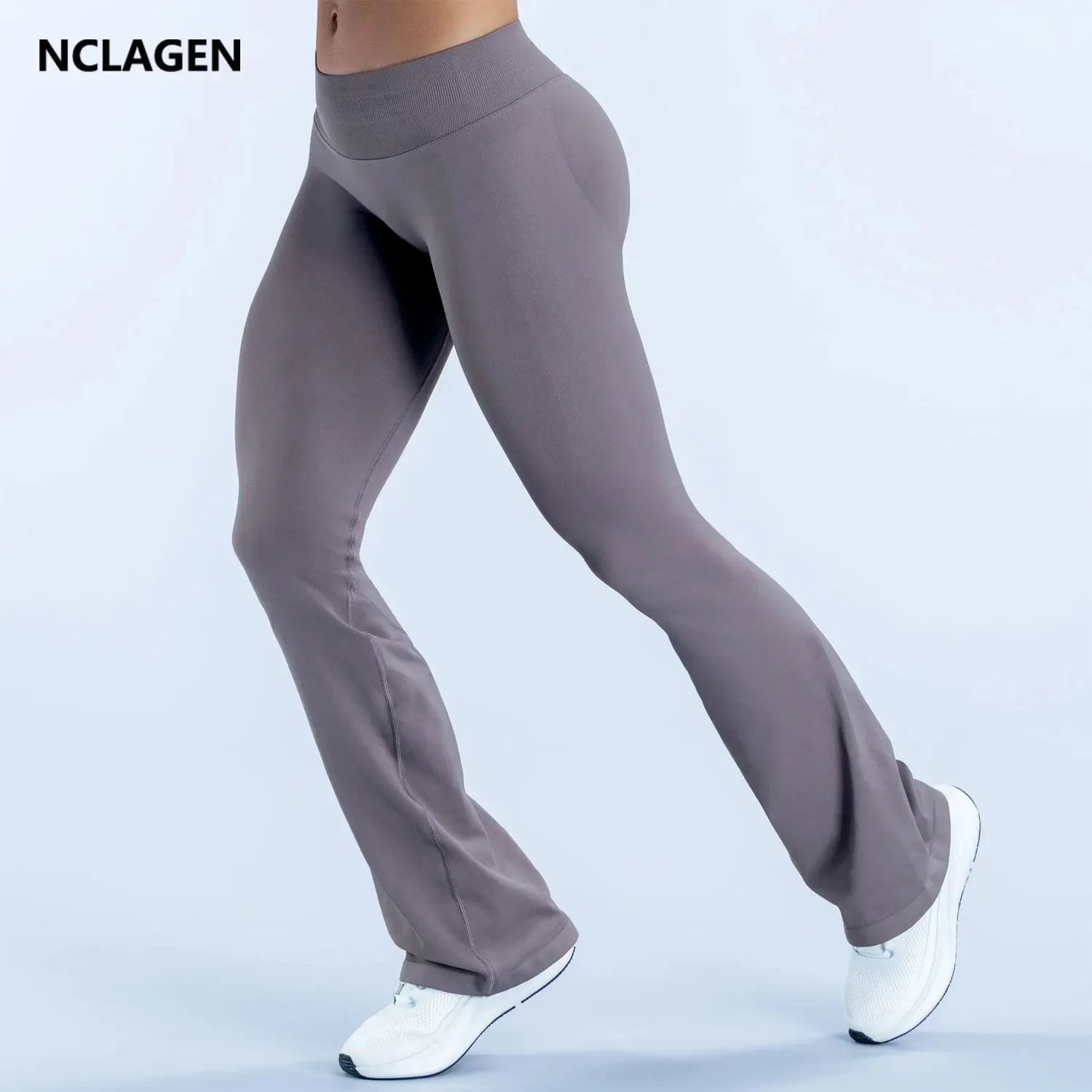
The biggest small-batch clothing production benefits are unglamorous: fewer fit failures, tighter quality control, and less inventory risk. A short run means every sample gets worn, washed, and stretched before the full order goes out. Pieces like the NCLAGEN Impact Flares Seamless Yoga Leggings feature seamless blocking and a nylon-elastane knit, with a true-to-size fit.
Performance Testing Before a Full Production Run
Activewear is not general apparel, and small-batch production only pays off if the brand tests it like activewear. A short run gives a brand room to run five specific checks before committing to volume:
- Stretch recovery. Fabric is cycled through repeated extension and relaxation to see whether it snaps back or bags out at the knee, seat, and waistband. A common pattern is to test recovery after a set number of wear-and-wash cycles rather than judging a single try-on.
- Opacity. Knit fabric is stretched over a form or held to light in the colors and weights actually ordered, because a lighter colorway can turn sheer at the hip even when the black sample passes.
- Moisture management. Brands look at how quickly a knit wicks and dries versus how much it holds, since a fabric that feels cool in the studio can feel clammy on a long run.
- Abrasion resistance. High-friction zones, inner thighs, seat, underarm, are rubbed or cycled to catch pilling and thinning before a full run ships.
- Seam durability. Flatlock, coverstitch, and bonded seams are pulled and flexed, because a seam that fails at the crotch or gusset is the most common construction complaint in leggings.
A brand that skips these steps discovers pilling, sheerness, and sagging after thousands of units are already in a warehouse.
Size Inclusivity and Fit Validation Across the Size Range
Fit testing across a full size range is where small batches earn their reputation. Size grading, sample development, and fit validation on real bodies catch the gap between a medium and an extra large that bulk production hides.
Watch out: a brand can claim "fit tested" without publishing its size range or measurements. Ask which sizes were fitted on real bodies and whether the chart reflects body measurements or garment measurements.
Small-Batch Activewear vs. Mass-Produced Activewear
Small-batch and mass-produced activewear differ in several ways. Here's the side-by-side.
| Factor | Small-Batch Activewear | Mass-Produced Activewear |
|---|---|---|
| Production run size | Hundreds per style | Tens of thousands |
| Upfront investment | Lower, spread across styles | High, committed early |
| Fit and size validation | Tested before scaling | Often limited |
| Inventory risk | Low, reorder as needed | High overstock risk |
| Per-unit cost | Higher | Lower |
| Lead time | Shorter runs, faster iteration | Long, rigid schedules |
| Waste | Less dead stock | More unsold inventory |
Pros of small-batch: better fit testing, faster product iteration, lower cash flow strain, less overstock. Cons of small-batch: higher per-unit cost, limited colorways, occasional stockouts.
Small-Batch Activewear Pricing and the Unit Economics Behind It
Watch out: "small batch" can be a label applied to a bulk order split into drops. Ask whether the brand publishes its size range, fabric specs, and return policy, and whether restocks come in small waves, those are the signals that the pricing reflects real short-run economics.
When Small-Batch Production Stops Making Sense
Watch out: a brand can also use "small batch" as a label without doing the fit validation behind it. Ask whether it publishes its size range, fabric specs, and return policy. Supplier due diligence matters here, and so does production transparency.
How to Choose Activewear Brands That Actually Produce in Small Batches
The fastest way to verify a small-batch claim is to check the size range, fabric specs, and restock pattern. Brands that genuinely produce in short runs tend to publish detail and restock in small waves rather than holding every size forever.
A checklist for evaluating small-batch brands:
- Does the listing name the fabric blend and its stretch or wicking properties?
- Is the size range stated with actual measurements, not just S-XL?
- Does the brand restock in small waves or run "limited" drops?
- Are there reviews mentioning fit accuracy and return experience?
- Does the brand explain its production approach at all?
For deeper guidance on picking comfortable pieces, see our guide on how to choose comfortable activewear for remote work. And if you want the wider argument for curated shopping, read why curated boutique shopping beats mass retail.
Build Your Next Workout Wardrobe at Glow Together Boutique
Small-batch production rewards the brands that do the testing, and it rewards you with gear that fits the first time. At Glow Together Boutique, we carry a range of activewear, fitness gear, and wellness items in one place, with free shipping on every order.
Start with a versatile base layer like The Gym People Women's Lightweight Long Sleeve Yoga Top, or add The Gym People Womens High Waist Athletic Sweat Shorts for warm-up days. Shipping is free on every order.
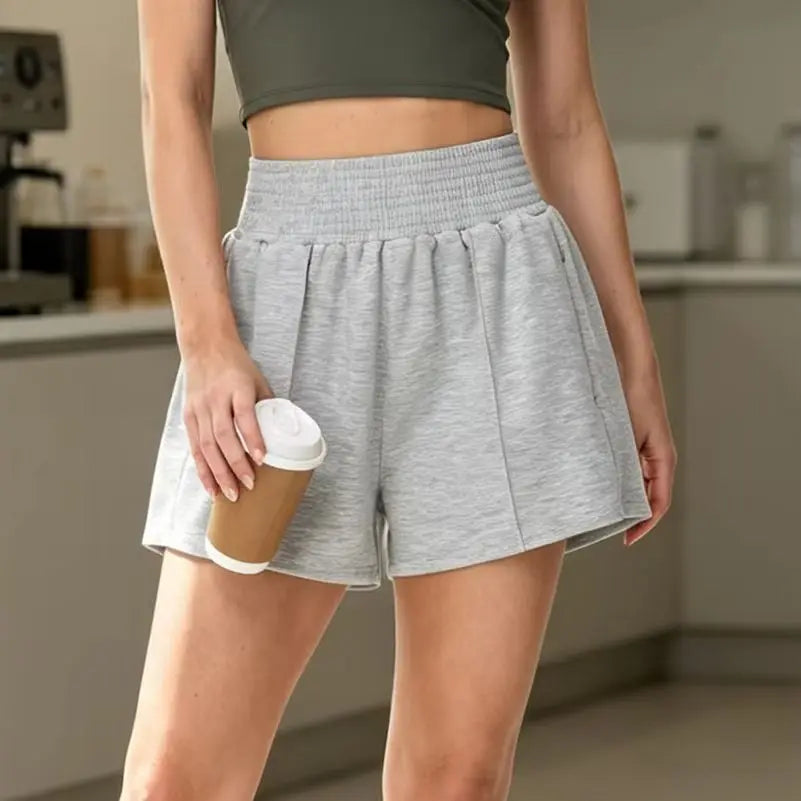
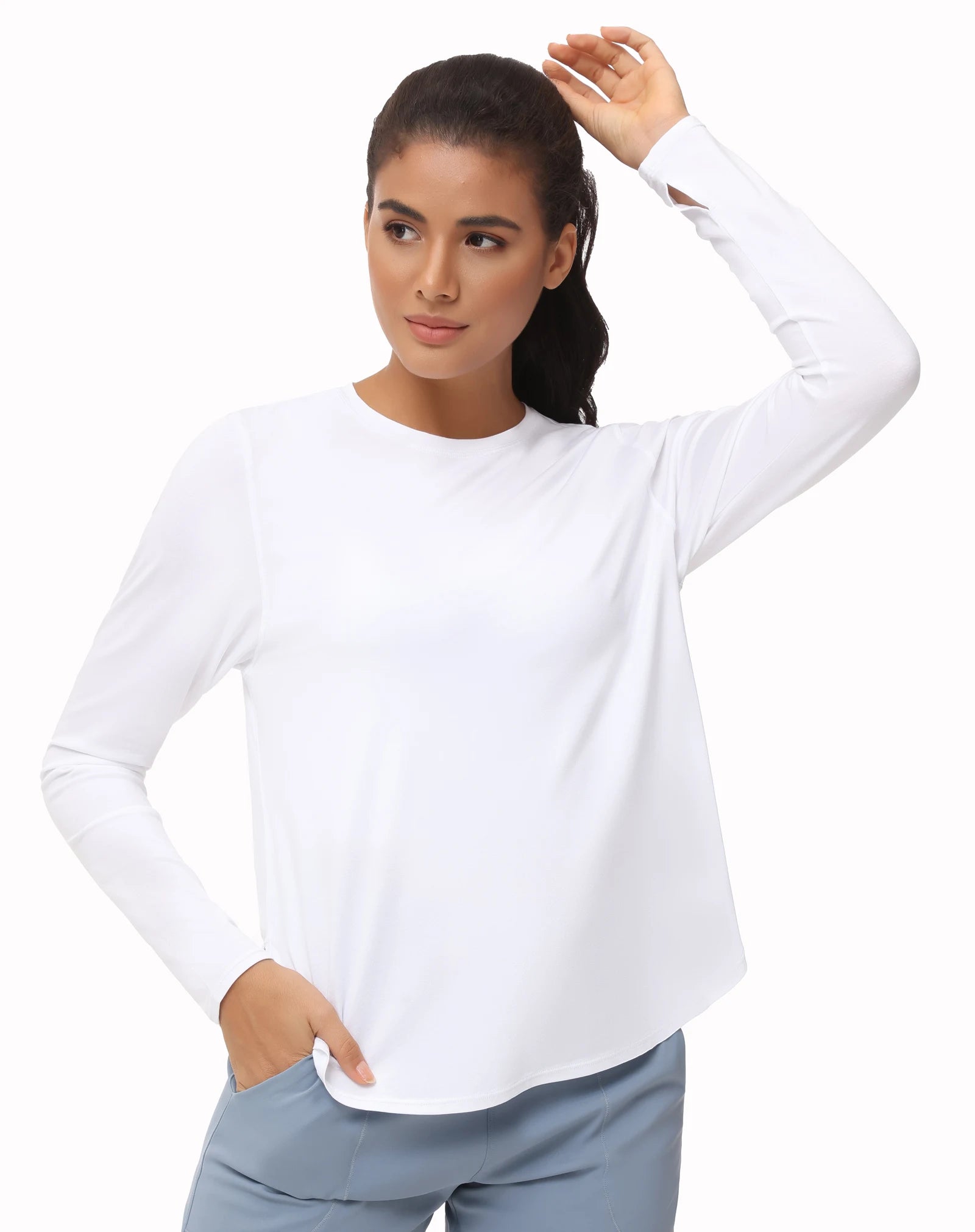
The real test of a small-batch brand is whether the fit holds up after the first wash. Glow Together Boutique curates activewear and wellness gear with free shipping on every order, so you can try pieces without a shipping penalty. Browse the collection and find something worth smiling about.
Frequently Asked Questions
Are small batch activewear brands more expensive?
Often yes, by a modest margin. A small production run spreads setup, fabric minimums, and quality control across fewer units, so per-unit cost sits higher than on a 10,000-piece bulk order. That said, the gap is smaller than most shoppers expect. At Glow Together Boutique, pieces run from $24.99 for leopard print leggings with side pockets to $47.99 for the Airila two-piece yoga set, and shipping is free on every order, which offsets part of the difference.
How is small batch activewear different from mass-produced clothing?
The difference is in the run size and what that allows. A small batch might be a few hundred units per style, which makes fit testing, fabric performance checks, and design tweaks affordable before scaling.
How can I tell if an activewear brand produces in small batches?
Look for specific details rather than vague language. Brands that genuinely produce small runs usually publish size ranges with actual garment measurements, name the fabric blend and its stretch and moisture-wicking behavior, and restock in limited quantities rather than keeping every size in every color year round. Ask directly about minimum order quantity and lead time. A brand that can answer with numbers is more credible than one that only says handmade or limited edition.
What should I look for when buying activewear from an independent brand?
Start with fit data: a published size range, inseam or length measurements per size, and guidance on sizing up between sizes. Check the fabric blend for four-way stretch, breathability, and moisture-wicking claims that match your workout. Confirm the return policy before you order, since fit is the main reason activewear gets sent back. Finally, read reviews from customers with a similar build and training routine, and check whether the brand offers free shipping so the total cost stays predictable.
